
# Why Every Canadian Boater Needs a Valid Boating License Before Hitting the Water

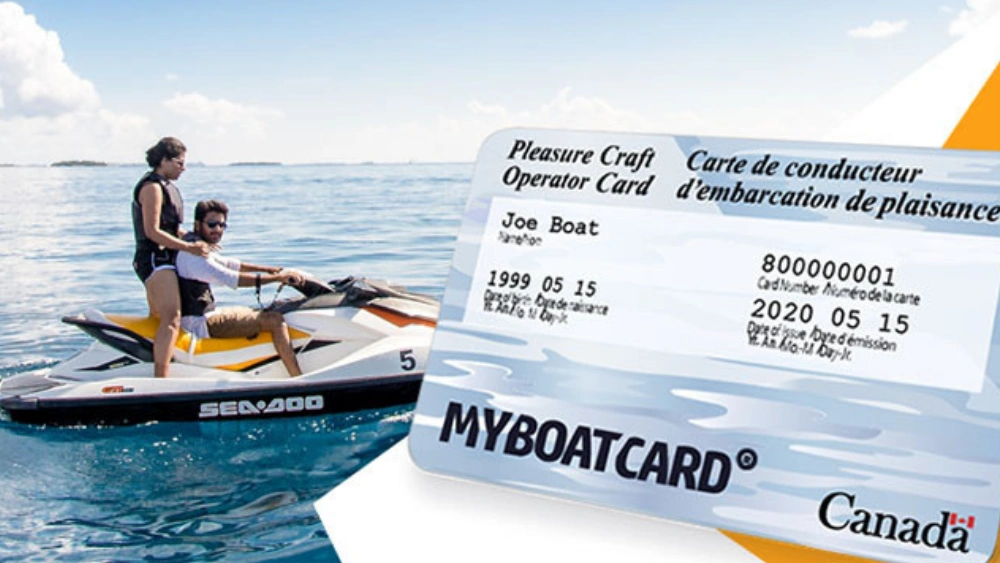
More formally, this document is known as the **Pleasure Craft Operator Card**, or **PCOC**. It is Canada’s recognized proof that a recreational boater has completed the required boating safety training and understands the basic rules of operating a motorized pleasure craft. The PCOC applies to recreational motorized vessels, including boats and personal watercraft. ([Wikipedia][1])
What Is a Pleasure Craft Operator Card?
The Pleasure Craft Operator Card is proof of competency for recreational boaters in Canada. It shows that the operator has completed a Transport Canada–accredited boating safety course and passed the required test. Although many people call it a “boating license,” it is not the same as a driver’s license, and it does not expire once issued.
For most Canadian boaters, the important point is simple: **when operating a motorized pleasure craft, you must be able to show valid proof of competency on board**. That includes operators of powerboats, fishing boats, pontoons, runabouts, wake boats, and personal watercraft.
A key detail that surprises many people is that the requirement can apply even when the motor is not the main source of power. For example, a sailboat fitted with an auxiliary motor may still require the operator to carry proof of competency. ([Wikipedia][1])
Why Is a Boating License Mandatory in Canada?
Canada’s waterways are shared by boaters, anglers, paddlers, swimmers, commercial vessels, wildlife, and shoreline communities. A pleasure craft may feel easy to operate on a calm day, but conditions can change quickly. Wind, waves, weather, traffic, mechanical problems, shallow water, poor visibility, and operator inexperience can all turn a relaxing trip into a dangerous situation.
The purpose of mandatory boating education is to reduce preventable accidents and help operators understand their responsibilities. Transport Canada’s Office of Boating Safety is responsible for boating safety programs, regulations, standards, and prevention efforts related to recreational boating in Canada. ([Wikipedia][2])
Holding a valid Pleasure Craft Operator Card helps ensure that boaters have learned the essentials before taking control of a powered vessel. It is not just paperwork. It is a baseline safety requirement.
The Course Teaches More Than Rules
A boating safety course is critical because it gives operators practical knowledge they may not learn by simply riding with friends or family. Experience on the water is valuable, but experience without proper training can leave dangerous gaps.
A Transport Canada–accredited course typically covers topics such as:
* safe vessel operation
* required safety equipment
* navigation basics
* Canadian buoys, markers, and signs
* right-of-way rules
* speed and distance regulations
* fueling safety
* loading and capacity limits
* cold water risks
* emergency preparedness
* collision prevention
* what to do if someone falls overboard
* personal watercraft safety
* operator responsibilities
These subjects matter because boating decisions often need to be made quickly. Knowing what a buoy means, how to approach another vessel, how to carry the right safety gear, or how to respond in an emergency can prevent injury, property damage, and costly mistakes.
Boats and Personal Watercraft Require Serious Responsibility
Personal watercraft, often called PWCs or Sea-Doos, are especially popular because they are fast, agile, and fun. But they are also powerful motorized vessels. They can accelerate quickly, operate close to shore, and are often used in busy recreational areas.
That makes training essential. Operators need to understand safe speeds, lookout responsibilities, minimum distance rules, collision avoidance, reboarding, passenger safety, and how the craft handles differently from a traditional boat. A PWC may be smaller than a boat, but it still carries real responsibility.
The same applies to fishing boats, pontoons, sport boats, wake boats, and cruisers. Every operator should know how to prepare the vessel, check the weather, carry required gear, manage passengers, and operate responsibly around others.
Safety Equipment Only Works If You Know How to Use It
Many boaters remember to buy life jackets, paddles, bailers, ropes, flashlights, sound-signalling devices, and other required equipment. But owning safety gear is only the first step.
A boating course helps operators understand:
* what equipment is required for their vessel
* where it should be kept
* how to use it in an emergency
* how to inspect it before departure
* why properly fitted life jackets matter
* how overloading affects stability
* why alcohol or impairment on the water is dangerous
* how weather and water temperature change risk
The best safety equipment is the equipment you can access and use correctly when it matters.
A Boating License Protects You, Your Passengers, and Everyone Around You
When you operate a boat or PWC, you are responsible for more than the machine. You are responsible for your passengers, your wake, your speed, your route, and your decisions around other people on the water.
A valid boating license helps reinforce the habits that reduce risk:
* checking the vessel before leaving the dock
* reviewing safety gear
* respecting speed limits and no-wake zones
* watching for swimmers and paddlers
* understanding navigation markers
* operating at a safe speed for conditions
* staying sober and alert
* preparing for emergencies
* knowing when not to go out
Good boaters are not just skilled operators. They are prepared operators.
What Happens If You Boat Without Proof of Competency?
If you are required to carry proof of competency and cannot produce it when asked by enforcement officials, you may face penalties. More importantly, operating without proper training increases the risk of making avoidable mistakes on the water.
For families, new boat owners, renters, and seasonal riders, the Pleasure Craft Operator Card should be treated as a basic starting point. It is part of being ready for the season, just like checking your battery, fuel system, trailer, life jackets, and engine maintenance.
Boating Education Builds Confidence
One of the biggest benefits of taking the course is confidence. New boaters often feel uncertain around launch ramps, marinas, channels, markers, other vessels, and changing weather. The course gives operators a foundation so they understand what they are seeing and what they are expected to do.
That confidence leads to better decisions. Better decisions lead to safer days on the water.
Before You Launch: Make Safety Part of the Routine
Before every boating season, make sure you are prepared:
1. Carry your Pleasure Craft Operator Card or valid proof of competency.
2. Check that your safety equipment is complete and accessible.
3. Inspect the boat or PWC before launch.
4. Confirm weather and water conditions.
5. Make sure passengers know basic safety rules.
6. Wear a properly fitted life jacket or PFD.
7. Operate sober, alert, and respectful of others.
8. Know your route and local hazards.
Final Thoughts
Boating is one of the best ways to enjoy Canada’s lakes, rivers, and waterways, but it comes with responsibility. A valid Pleasure Craft Operator Card is mandatory for many recreational operators because safety knowledge matters. The course teaches the rules, equipment requirements, emergency procedures, and practical habits that every boater needs before operating a vessel.
Whether you drive a fishing boat, pontoon, sport boat, wake boat, cruiser, or personal watercraft, proper training helps protect you, your passengers, and everyone sharing the water.
Before you launch, get certified, get prepared, and make every ride a safe one.
